Primary and Urgent Care SIG
The primary role of the PUCSIG is to represent College members working in primary and urgent care settings. The group will provide a voice for those working in this area of paramedic practice
Palliative and End of Life Care SIG
The primary role of the PEOLCSIG is to represent College members working in palliative and end of life care settings, or those with an interest in palliative and end of life care in Paramedic practice. The group will provide a voice for those working in this area of Paramedic practice and will report to the Clinical Development Committee via the PEOLCSIG Chair, supported by the PUCSIG Chair.
Critical Care SIG
The primary role of the CCSIG is to represent College members working in critical care settings. The group will provide a voice for those working in this area of paramedic practice.
Public Health SIG
The primary role of the PHSIG is to represent College members who are interested in public health. The group will provide a voice for the members in various public health related policies.
Sammer Tang
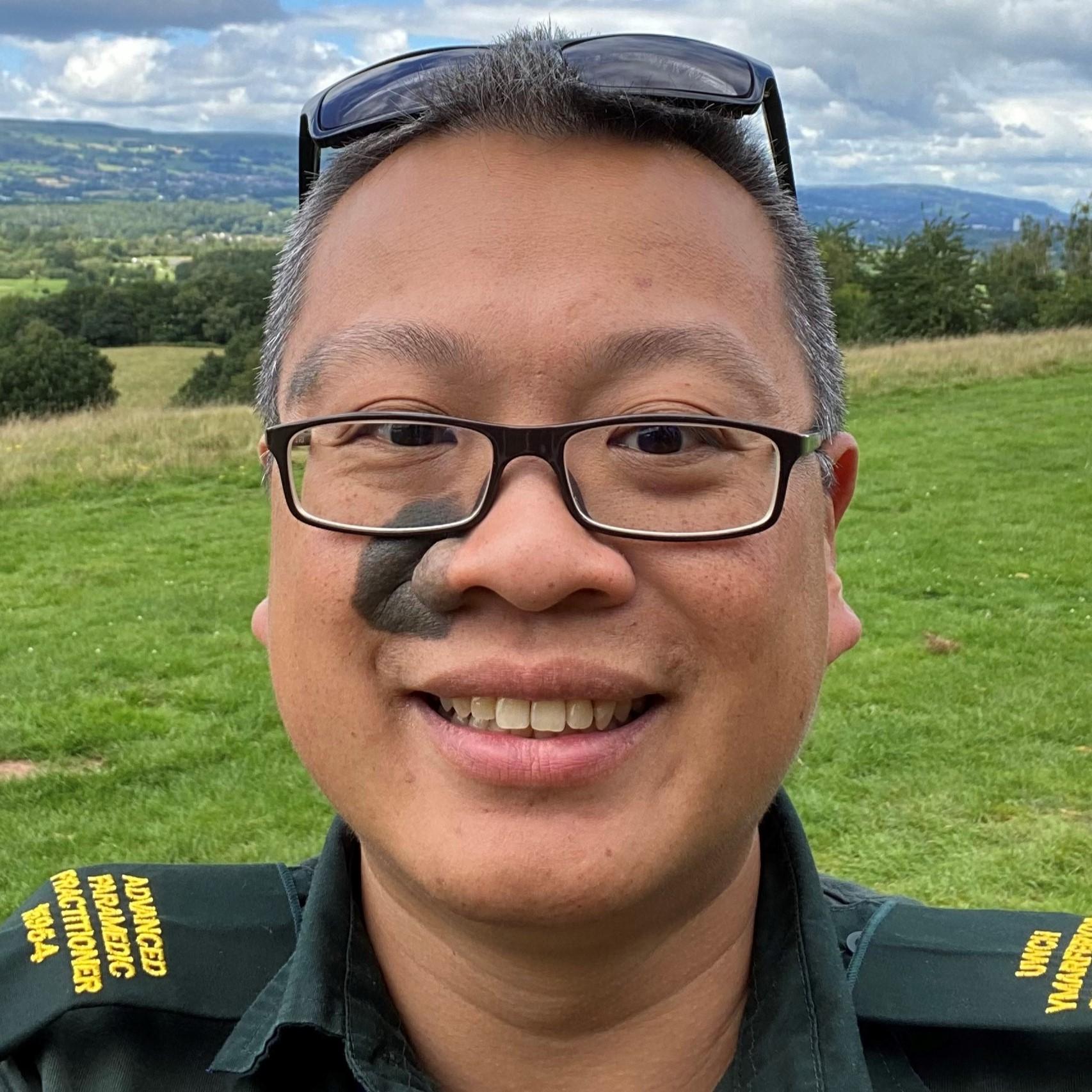
• Current job role
Consultant in Public Health / Advanced Paramedic Practitioner / CoP Public Health Lead
• Relevant PH qualifications or training:
MSc Public Health (LSHTM) DFPH and MFPH (by examination)
• What drew you to public health?
In my clinical practice, I wondered why we keep seeing the same patients having same clinical presentations all the time and why don’t we do something different to stop them being ill to start with which sparked my initial interest in preventative. In my various roles within the NHS and public sector, I saw the challenges from different perspective and how public health approach can support the delivery of services for our population. I also developed a strong interest in health inequalities after spending some time in the South African EMS System
• What do / did you like most about your PH job role?
Using data to help people making better decisions
Reducing health inequalities and ensuring population needs are being met
• What do you feel the main PH challenges are in paramedicine?
Paramedics have the misconception of public health is something additional to their routine practice rather than seeing public health is something that is part of their roles.
Sam Duncan
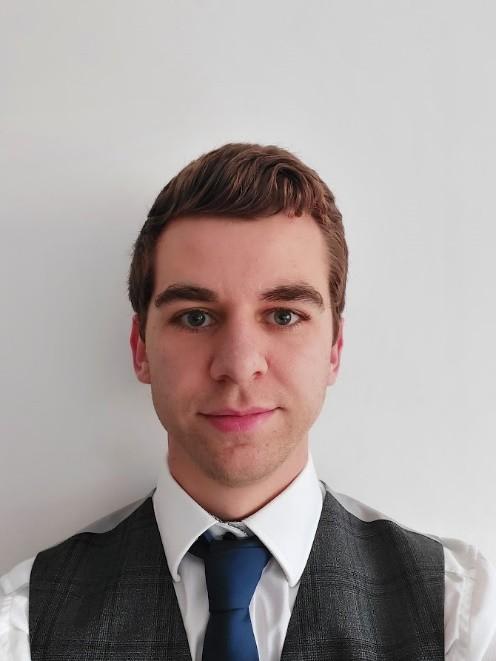
• Current job role
Paramedic Trainee Advanced Clinical Practitioner (with a specialist interest in Health Inclusion)
• Relevant PH qualifications or training:
BSc Paramedic Science at the University of East Anglia
European Centre for Disease Prevention and Control's online Migration and Health Course
MSc Advanced Professional Practice at the University of East Anglia: With selected modules including specialist interest in health inclusion in acute and urgent care
• What drew you to public health?
Throughout my 16 years of experience within health and voluntary services, I didn’t anticipate my career going the way it has. Previous clinical experience working within the ambulance service, liaison and forensic mental health services and integrated migrant health services has led to a passion for supporting underserved and marginalised communities and working to minimise barriers to accessing care and health inequalities.
• What do you feel the main PH challenges are in paramedicine?
Paramedics are in a profession that plays a vital role to Public Health, and often the interventions we undertake (such as health mentoring) are not always acknowledged as being a Public Health intervention or key for promoting long-term health. With the profession still in its infancy and continuing to rapidly develop I feel the main Public Health challenge for Paramedics remains access to services and pathways to ensure individuals are accessing the care and support they need at the right time.
Andrew Hichisson
• Current job role
Clinical Practice Development Manager for Advanced Paramedic Practitioners in Urgent Care
• Relevant PH qualifications or training:
Masters in Public Health
• What drew you to public health?
I have had an interest in public health for several years which started whilst working in London, where I became aware of the health inequalities that were present in the area that I worked. At first I wanted to try to understand what was behind this and what I could do within my paramedic role. I began to look at what services were available in the local area and started to signpost patients which I later realised was my first introduction to Making Every Contact Count! As I became more interested I decided to study for a Master of Public Health (MPH) which I completed in 2019. Although I do not formally work in a public health role at the moment, my work is heavily influenced in this area and I strongly believe that all paramedics can play their part.
• What do you feel the main PH challenges are in paramedicine?
In traditional ambulance roles, it is sometimes difficult to convince paramedics that public health is relevant. However, if you take an objective look at the work undertaken, public health work is already being undertaken such as public education schemes, falls referrals to try and prevent recurrences, or helping a homeless patient access a shelter. Another challenge is trying to introduce meaningful public health education into pre-registration and post-registration curriculum so that paramedics have the necessary education and skills to embed this into their practice.
Julia Wolfe
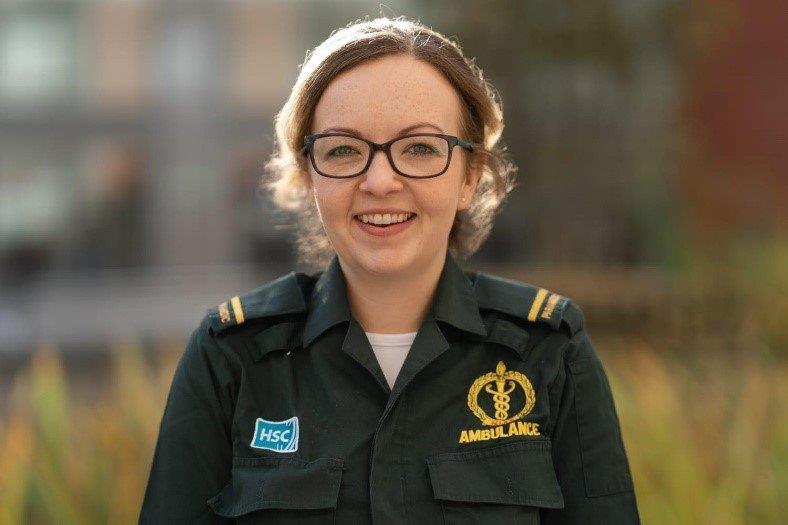
• Current job role
Research and Development Manager at the Northern Ireland Ambulance Service
• Relevant PH qualifications or training:
Public health/epidemiology modules as part of BSc Biomedical Science Masters in Research (MRes)
• What drew you to public health?
I’ve had an interest in public health since my days as an undergraduate student. It was the first time I had been introduced to the idea of the wider determinants of health and how, by viewing them at population level, patterns can be identified to prevent disease and promote health.
• What do / did you like most about your PH job role?
I enjoy being able to use research to contribute to the evidence based needed to support public health.
• What do you feel the main PH challenges are in paramedicine?
I think paramedics are well placed to provide public health interventions for patients - especially those working in roles where they often get to see patients in their own environments. The biggest challenge is having access to other services and the right referral pathways in order to improve patient outcomes and tackle inequalities.
Si Robinson
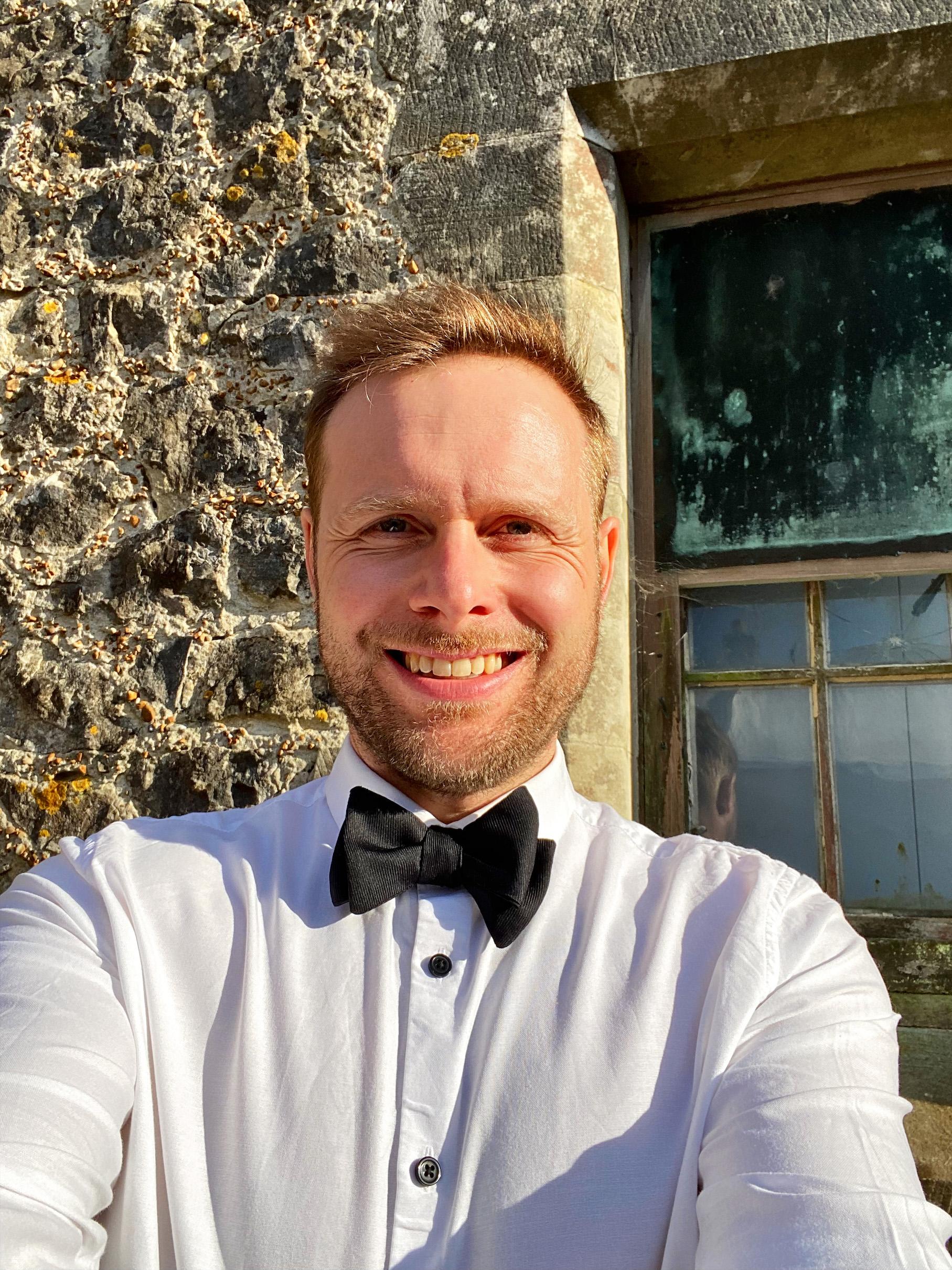
• Current job role
Paramedic Practitioner and MDT Manager
• Relevant PH qualifications or training:
Competed FCP Portfolio and nearing completion of ACP Portfolio, in primary care practice. Dip MSK Med which focuses on musculoskeletal medicine and promoting movement and exercise. My PhD is on acutely unwell children and more broadly child public health. I have also completed modules in cancer care and palliative care.
• What drew you to public health?
In a nutshell as a paramedic I figured that like the fire service have done ‘prevention is as important as cure’. How can we as paramedics contribute to the reduction of conditions such as heart attacks and sepsis, as well as trauma?
• What do / did you like most about your PH job role?
In my role, I get to apply this by facilitating hot (urgent) clinics, conducting long term condition reviews, vaccination clinics, and caring for people at the end of their life.
• What do you feel the main PH challenges are in paramedicine?
The main challenge in paramedic practice is understanding our boundaries - we shouldn't be doing the work of a doctor - rather compliment, whilst developing confidence in recognising and prognosticating patients appropriately. We have access to some of the most marginalised and remote communities and this is a real opportunity for our profession to provide great public health!
Logan Vaughn
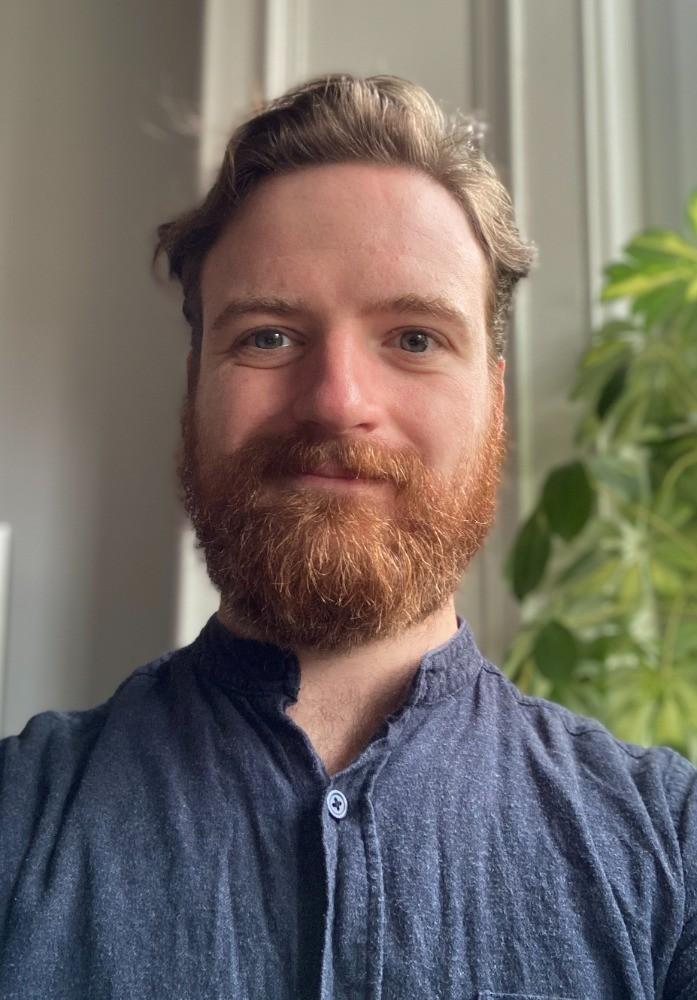
• Current job role
Newly Qualified Paramedic at Scottish Ambulance Service
• Why are you interested in public health?
Before I started training as a paramedic I worked in alcohol and drug recovery services, where I first became interested in public health. I saw first-hand the impact that health policy can have on people’s lives and became passionate about reducing health harms. I am particularly interested in how public health tools and evidence can be democratised, allowing communities to fight alongside professionals for better health.
• What do you feel the main PH challenges are in paramedicine?
Whilst I am just at the beginning of my career in paramedicine, I think the complex issue of climate change and pollution is likely to be the biggest public health challenge over the coming decades. Changing demands and patterns of use, increasingly unpredictable weather, impacts on supply chains, and global migration will all change the experience of paramedics and patients. Climate change, pollution, and its effects are so intertwined across so many different areas that it can feel almost overwhelming. Ultimately though, the broad systems thinking approach of public health make it one of the few disciplines equipped for understanding and tackling the complexity of the impacts of climate change.
Niamh Cummins
• Current job role
Associate Professor in Public Health at the University of Limerick Adjunct Senior Lecturer in Paramedicine at Monash University
• Relevant PH qualifications or training:
M.Res. Public Health (Epidemiology and Health Behaviour)
• What drew you to public health?
Public Health impacts on our lives in so many ways and I really enjoy the diversity of the field – analysing epidemiological data, developing policies for health improvement, educating communities and advocating for social justice – working in Public Health no two days are the same. And of course like most Public Health professionals I’m an eternal optimist and I want to make the world a better place!
• What do / did you like most about your PH job role?
Research is my passion and this role allows me to create evidence for impact - to inform policy and practice, ultimately influencing population health and patient care. Ambulance services are data rich and paramedics have a unique insight into people’s lives. From health promotion opportunities to providing a greater understanding of health inequalities in our communities – there’s so much potential for what can be achieved at the intersection of Paramedicine and Public Health.
• What do you feel the main PH challenges are in paramedicine?
“Wicked problems” in Public Health globally are also increasing pressure on our Ambulance Services. These include an aging demographic and unsustainable climate policies which have a detrimental impact on our health. Traditionally the medical model of care has been dominant in Paramedicine, however as the profession has evolved I feel the time is right to introduce a more salutogenic approach to Paramedicine.
Alex Diffley
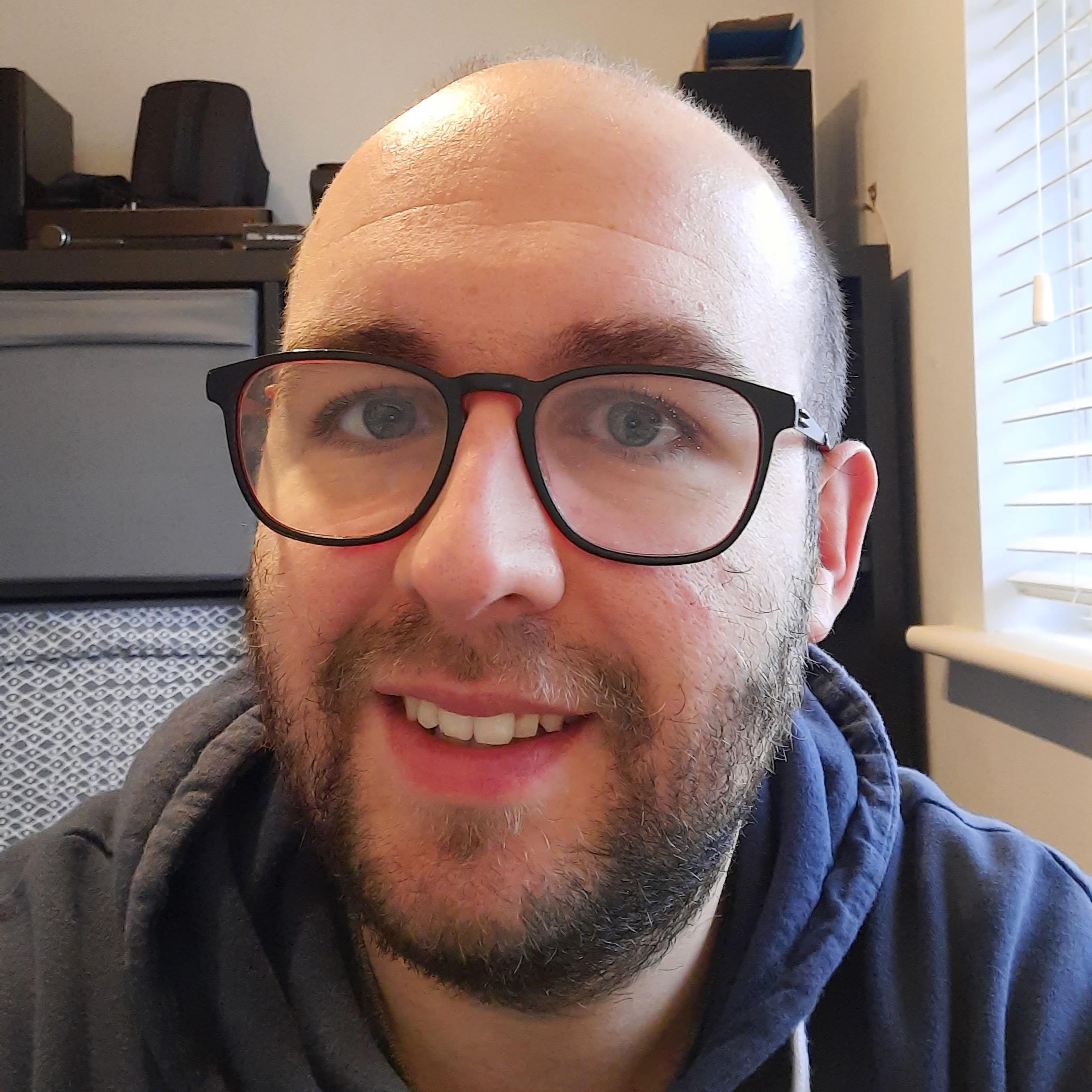
• Current job role
Research Paramedic with Yorkshire Ambulance Service
• Relevant PH qualifications or training:
MSc Leading Clinical Research Delivery with specialism in Public Health (awaiting final grade Aug 2025)
• What drew you to public health?
Sirens shouldn’t cost the Earth. I’m passionate about making systems healthier—both for people and the planet. Preventative public health policy gives paramedics the tools to help the ambulance service reach net zero, ensuring emergency care doesn't come at the environment’s expense.
• What do / did you like most about your PH job role?
I like to build the evidence base to demonstrate what changes are needed and why.
• What do you feel the main PH challenges are in paramedicine?
One key challenge is the lack of consistent, high-quality demographic data—especially on ethnicity. Without it, we’re flying blind on equity.
Chloe Keeping
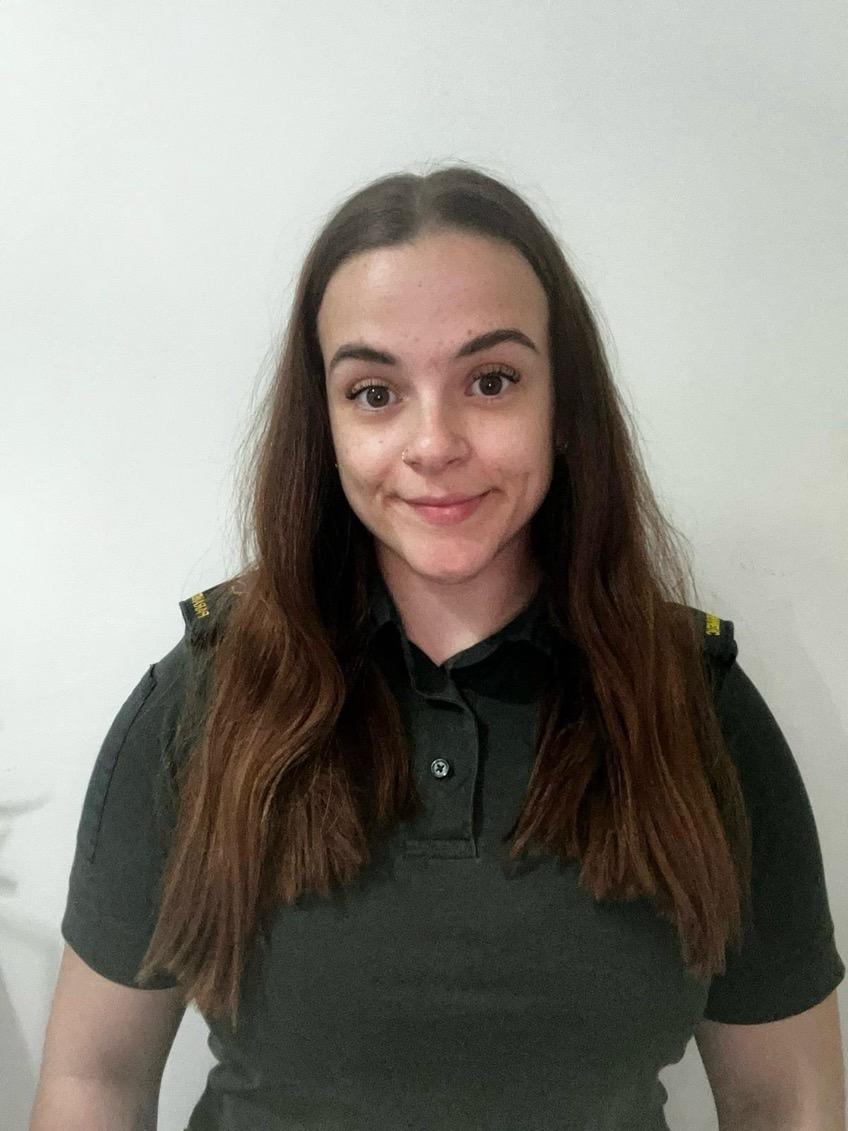
• Current job role
Lecturer in Paramedic Science at Oxford Brookes University Paramedic at East Midlands Ambulance Service
• Relevant PH qualifications or training:
I am currently studying an open MSc part-time, my MSc includes public health modules, I am also working with the programme team at my University to develop a new 'population health' module for students centred around public health.
• What drew you to public health?
I have been interested in public health since being an undergraduate student, I would notice trends in areas and presentations we were attending and worked in an area with noticeable disparity in socioeconomic development, this prompted me to think about my role as a Paramedic and how I could advocate to improve this.
• What do you feel the main PH challenges are in paramedicine?
Despite still being new into the profession I feel trying to advocate for professionals to understand the importance of public health but also how it integrates into their daily assessments of patients. I also feel very strongly about how educational programmes nationally should have a public health thread of teaching across their programmes.
Naomi Weston
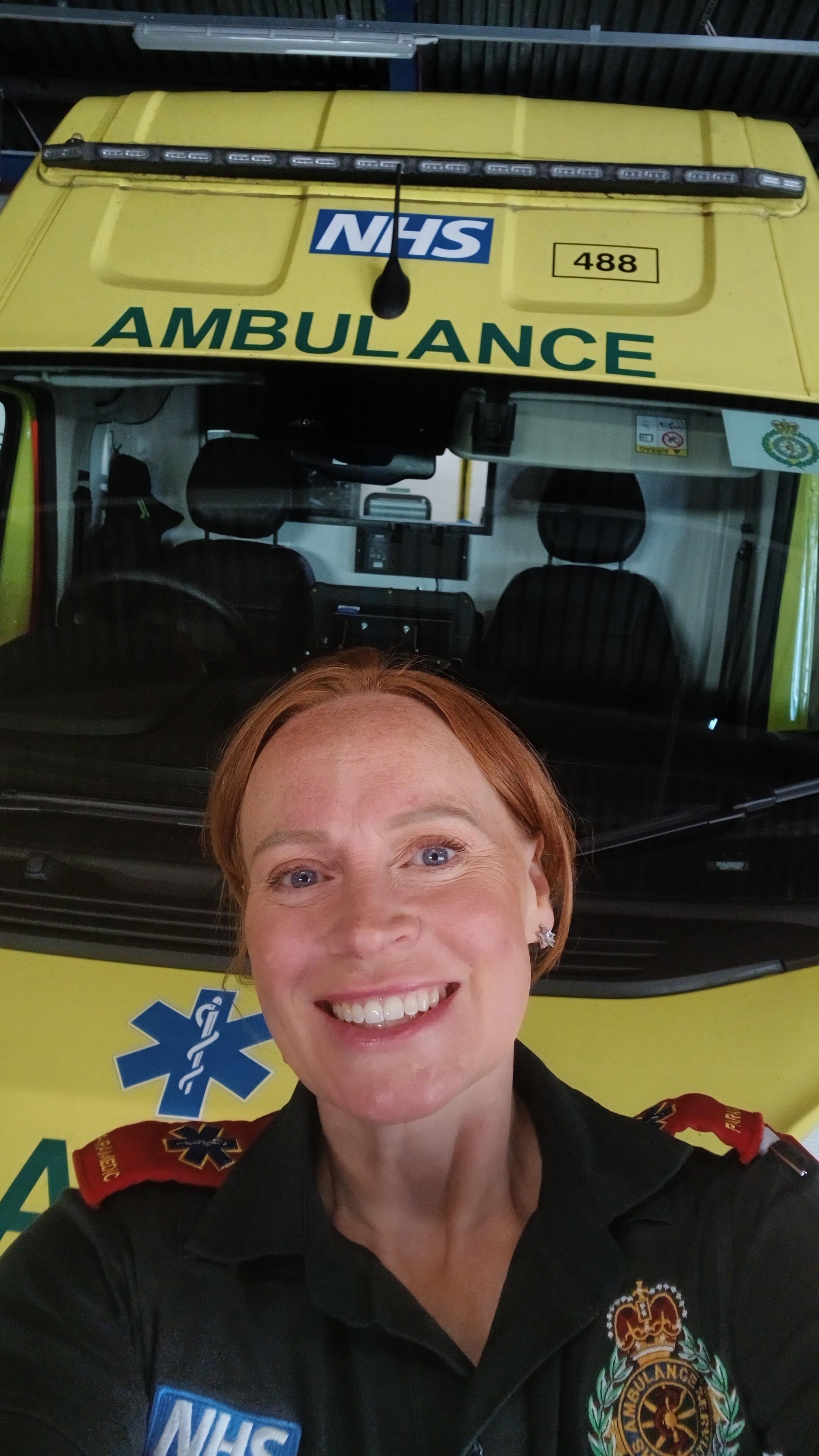
• DCA / RRV Paramedic with NEAS. 4 years on the road so far....
• Start studying for MSc Public Health and Behaviour Change in Jan 2026 with Brunel University
• I work in one of the most deprived areas of the North East, dare I say it, in England, and come across people day in day out who seem to need a nudge in the right direction in order to make positive decisions about their health. But they don't. I really want to understand why they don't. Modern paramedic practice is increasingly holistic, recognising that health is influenced not just by medical issues but also by social, environmental, and behavioural factors. Health promotion
activities align with this approach, ensuring that patients are supported beyond the immediate emergency and guided towards longer-term wellbeing.
• In my local area, too many people fall through the cracks of the healthcare system. I have the opportunity to connect them with local community pathways, signpost them to easy to access options and I take the time to engage them in a meaningful and person-centred discussion about their needs. It's about making a preventative difference to try and reduce those acute crises. (But I have a quite lengthy on scene times as a result).
• I recall one lecture at University about Health Promotion/MECC - that was enough to peak my interest! Sadly, I don't think it’s enough for the wider Paramedic community/profession. Importantly, I don't think we are given enough opportunity to practice PH/HP due to performance targets (e.g., response times) leaving little room for extended conversations about lifestyle advice, prevention, or social support.